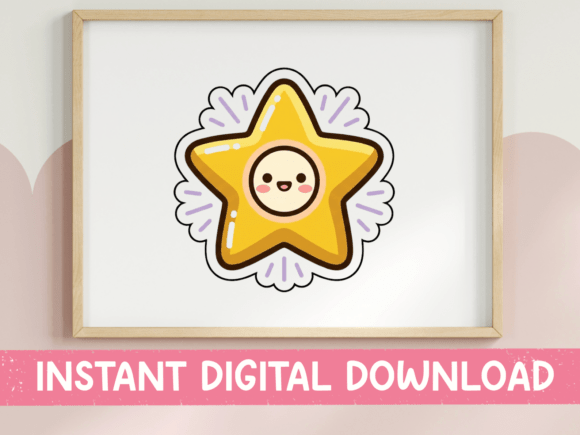
Cute Kawaii Smiling Star Review
As a designer who spends more time looking at stitch density charts than actual clouds, I approach every new digital asset with a mix of optimism and skepticism. We have all seen designs that look perfect in a JPEG but turn into a tangled mess on the hoop. Today, I am putting Cute Kawaii Smiling Star through its paces to see if it holds up as a viable option for real-world embroidery projects, from personal gifts to commercial small business merchandise.
This design falls under the T-Shirt Designs category, specifically within the Graphics type, which suggests a bold, graphic-heavy approach rather than intricate, lace-like detailing. For those of us creating handmade products or running an Etsy shop, understanding where a design sits visually is crucial before we commit to stitching it out.
First Impressions: The Mood and Visual Personality
The moment you load this file, the intent is clear. This is not trying to be subtle. It features a chubby golden-yellow star with a happy kawaii face, rosy pink cheeks, and a wide smile. The mood is pure joy. In a market saturated with minimalist botanicals or complex landscape scenes, a design like this cuts through the noise because it communicates emotion instantly.
From a design perspective, the "chubby" aspect of the star is its strongest feature. It creates a soft, approachable silhouette that works exceptionally well for audiences looking for comfort and whimsy. The visual personality is playful yet clean. It does not rely on excessive tiny details that might get lost in the stitching process. Instead, it leans on strong shapes and distinct color blocking, which is exactly what we want when aiming for high recognition in a finished product.
Real-World Application: Where Does This Design Shine?
I recently considered using Cute Kawaii Smiling Star for a batch of custom embroidered tote bags intended as boutique branding items. Why? Because the golden-yellow hue pops beautifully against canvas backgrounds, and the simple shape ensures the bag remains usable without being over-decorated. However, my mind immediately went beyond just totes. Here is how this design translates across various platforms:
- Custom Apparel and Sweatshirts: As a sweatshirt embroidery piece, this design brings a sense of fun to everyday wear. It fits perfectly into the current trend of cozy, expressive loungewear. The graphic nature means it reads well even from a distance, making it ideal for streetwear-inspired handmade fashion.
- Baby and Nursery Items: There is something inherently gentle about a smiling star. When digitized correctly, this design works wonderfully for baby clothes, crib blankets, and nursery decor. The soft curves of the star avoid any harsh lines that might feel too aggressive for a child’s room.
- Holiday Gifts and Personalized Products: This is a versatile holiday embroidery candidate. While stars often scream Christmas, the kawaii aesthetic keeps it year-round friendly. It could easily serve as a centerpiece for a personalized gift, such as a monogrammed apron or a kitchen towel set.
- Embroidered Patches: If you are selling patches as accessories for denim jackets or backpacks, this design has high commercial potential. Its self-contained shape makes it easy to finish with a sturdy edge, creating a professional-looking embroidered patch.
Technical Considerations for the Embroidery Designer
While the concept is charming, the execution depends entirely on your machine settings and material choices. As an experienced reviewer, I must highlight where this design requires careful handling.
Stitch Density and Clarity: The success of a machine embroidery design like this hinges on the balance between fill stitches and satin stitches. The rosy pink cheeks need enough coverage to look solid, not sparse. If the stitch density is too low, the fabric texture will show through, ruining the smooth, glossy look required for a "kawaii" aesthetic. Conversely, if the density is too high, the star may pucker, especially on lighter fabrics.
Fabric Compatibility: This design is best suited for stable, woven fabrics. While it might work on a cotton t-shirt, stretchy knits require extra caution. You must use a proper stabilizer to prevent shifting. Textured fabrics, such as heavy fleece or bouclé, should be avoided unless you are testing extensively, as the texture can obscure the fine details of the facial expression.
Thread Color Contrast: The golden-yellow body relies on contrast to define its edges. On dark fabric, you will likely need a cut-applique base or a dense white underlay to make the yellow pop. Without sufficient contrast, the star can blend into the background, losing its impact. Always test your thread colors on the actual fabric you plan to use.
Where to Use Caution
There are specific scenarios where Cute Kawaii Smiling Star might struggle:
- Small Hoop Sizes: If you attempt to stitch this in a very small hoop (under 4x4 inches), the facial features may become indistinct. The eyes and smile need adequate space to breathe.
- Curved Surfaces: While caps are popular for embroidery, applying a flat, round design to a curved brim or front panel can result in distortion. Ensure your digitizing software accounts for curvature if you are placing this on headwear.
- Dense Stitch Areas: Avoid placing this design next to other dense elements. Let the star stand alone as the focal point. Cluttering the layout diminishes the charm of the simple graphic.
Impact on Product Value and Brand Consistency
For Etsy sellers and small shop owners, the perceived value of a product is often tied to the quality of the embroidery. A poorly stitched design screams amateur hour, while a clean, vibrant stitch job builds trust. Cute Kawaii Smiling Star, when executed well, elevates a basic item into a premium handmade product.
The cheerful nature of the design also affects customer engagement. Buyers are drawn to items that evoke positive emotions. A smiling star suggests happiness and positivity, which can be a powerful marketing tool for brands focused on wellness, children, or lifestyle goods. It helps create a cohesive brand identity that feels warm and inviting.
Practical Designer Notes Before You Stitch
Before you rush to produce hundreds of units for your craft business, follow these practical steps:
- Test on Scrap Fabric: Never assume a design will work on your final material. Stitch it out on scraps first to check tension and thread behavior.
- Review Stitch Density: Zoom in on the digitizing file. Check the direction of the fill stitch and ensure the satin stitch borders are tight enough to cover the backing but not so tight that they cause puckering.
- Inspect Small Details: Look closely at the corners of the star and the curves of the smile. Are there any stray jumps or trims that might snag? Clean digitizing means fewer errors during production.
- Black and White Mockups: View your design in grayscale. This helps you assess the contrast levels without being distracted by color. If the face doesn't read clearly in black and white, it won't read clearly in color either.
- Confirm Licensing: If you plan to sell finished items, verify the license terms of the digital embroidery file. Some licenses restrict commercial use or limit the number of items you can produce.
Final Verdict
Cute Kawaii Smiling Star is a strong contender for designers looking to add a touch of whimsy to their collections. It is simple enough to be reliable but charming enough to stand out. Whether you are creating a personalized gift for a friend or stocking your shelves with custom apparel, this design offers a safe bet for broad appeal. Just remember: the magic lies in the execution. Choose your fabrics wisely, respect the stitch limits, and let the joy of the design speak for itself.