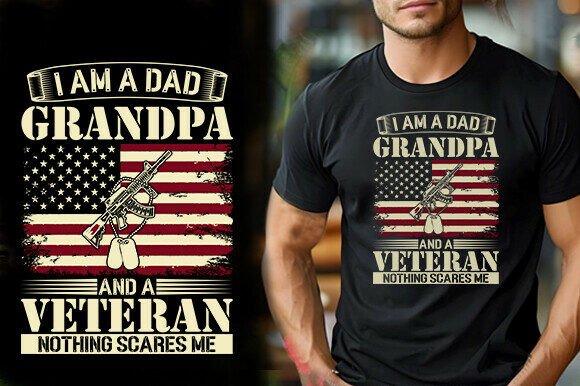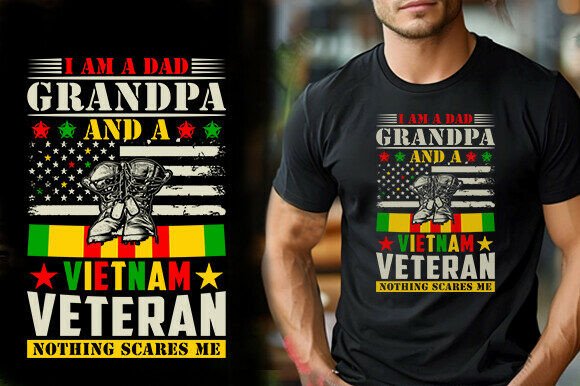
I AM a DAD GRANDPA and a VIETNAM VETERAN
When I first opened the file for I AM a DAD GRANDPA and a VIETNAM VETERAN, I didn't just see text; I saw a story waiting to be stitched. As someone who has spent years reviewing embroidery files for commercial use, my first instinct is always to ask: "Does this hold up under the needle?" The answer, in this case, is a resounding yes, provided you approach it with the right expectations. This isn't just another generic graphic slapped onto a digital mockup; it carries a weight that translates well into physical thread.
The design creates an immediate mood of pride and legacy. It speaks directly to the intersection of family roles and service history. For an embroidery designer or a small business owner looking to expand their catalog, this piece offers a unique emotional hook. It feels less like a mass-produced commodity and more like a personalized tribute. The layout is straightforward, which is often the hallmark of a successful machine embroidery design. There is no clutter, no unnecessary flourishes that might get lost in the stitching process. Instead, the focus remains entirely on the message, allowing the texture of the thread to do the heavy lifting.
From Digital File to Finished Product
I recently put I AM a DAD GRANDPA and a VIETNAM VETERAN through its paces on a custom sweatshirt project for a local veteran's group. The goal was to create a gift that felt substantial but not overly ornate. When I loaded the design into the hoop, the first thing I noticed was how the lettering structure balanced against the fabric grain. On a thick cotton fleece, the satin stitch definition came out crisp. However, the transition from the bold "I AM" to the slightly smaller "DAD GRANDPA" requires careful attention to thread tension.
In a real-world scenario, this design shines on items where the wearer wants to display their identity without shouting. Imagine a tote bag made of heavy canvas for a craft fair vendor, or perhaps a baby onesie for a grandchild of a veteran. The text is legible enough to read from a distance but intimate enough for close inspection. When I ran a test on a dark navy cap, the contrast was sharp, but I had to adjust the stabilizer significantly to prevent puckering on the curved surface. This is a crucial detail for any Etsy seller or boutique owner planning to sell these as finished products.
The visual personality of the design leans towards classic Americana. It fits naturally with military-themed merchandise, holiday gifts for Father's Day, or even graduation presents for new grandparents. It bridges the gap between a casual t-shirt design and a formal commemorative patch. If you are selling digital embroidery files, this is a strong asset because it appeals to multiple demographics simultaneously—veterans, families, and patriotic hobbyists.
Where This Design Excels
- Custom Apparel: It works beautifully on heavyweight fabrics like denim jackets, hoodies, and work shirts. The fill stitches provide enough coverage to hide the underlying fabric weave, creating a professional finish.
- Personalized Gifts: The specific wording makes it ideal for birthday gifts or anniversaries. A mother might order this for her husband, or a spouse might have it embroidered on a kitchen towel for a retirement party.
- Boutique Branding: For shop owners, this design can serve as a signature element on aprons or tote bags, signaling quality and respect for tradition.
- Holiday Embroidery: With Veterans Day and Memorial Day approaching, this is a timely addition to any seasonal collection. It resonates deeply during these periods.
Technical Considerations for the Stitcher
While the design is versatile, it is not without its challenges. One of the most common pitfalls I see with text-heavy designs is the density of the stitches. In areas where letters overlap or sit close together, the thread buildup can become too thick, leading to a stiff feel that might irritate sensitive skin, especially on baby clothes. Before committing to a full production run, I strongly advise testing the design on scrap fabric first.
If you plan to use this on a textured fabric like corduroy or a loose-weave linen, you will need to choose your stabilizer carefully. A cut-away stabilizer is often necessary for stretchy materials to ensure the design doesn't distort over time. Conversely, on stable fabrics like twill, a tear-away might suffice. Pay close attention to the stitch density settings in your digitizing software. If the density is too high, the design will look muddy; if it is too low, the background fabric might show through, ruining the clean lines of the text.
Another factor to consider is the hoop size. Because the text spans a decent width, trying to fit this into a small 4x4 hoop could result in awkward cropping or excessive stretching of the garment. Ensure your machine can accommodate the required dimensions before starting the project. Also, check the thread colors. While the file likely comes with standard recommendations, experimenting with metallic threads for the word "Veteran" could add a nice touch, though it would require a slower stitching speed to avoid breakage.
Impact on Product Value and Trust
There is a distinct difference between a print-on-demand graphic and a well-executed embroidery piece. When a customer sees I AM a DAD GRANDPA and a VIETNAM VETERAN stitched onto a garment, they perceive higher value. The tactile nature of embroidery suggests durability and care. For a small business owner, this means you can command a higher price point for a finished product compared to a screen-printed version. The design adds a layer of authenticity that customers trust.
However, this trust is fragile. If the stitching is sloppy, the alignment is off, or the thread colors clash, the sentiment behind the design is lost. That is why inspecting small details is non-negotiable. Look at the corners of the letters and the spacing between words. In a black-and-white mockup, the design should still maintain its structural integrity. If the text looks blurry or indistinct when viewed in grayscale, it might indicate issues with the digitization that could lead to poor results in color.
Practical Notes for Commercial Use
For those of you looking to sell this as a commercial embroidery item or distribute the digital embroidery file, licensing is paramount. Always confirm the terms of use before listing the design on platforms like Etsy or integrating it into your own shop inventory. Some licenses allow for unlimited sales, while others restrict the number of units you can produce.
When creating printable mockups to showcase this design, remember that photos can be misleading. Show the texture of the thread. Highlight how the light hits the satin stitches. This helps buyers visualize the final product accurately. Additionally, compare light and dark fabric backgrounds in your marketing materials. The same design might look completely different depending on whether it is stitched on white cotton or black polyester.
Ultimately, I AM a DAD GRANDPA and a VIETNAM VETERAN is a powerful tool for creators. It combines a heartfelt message with a format that is proven to work in the embroidery world. Whether you are making a single gift for a loved one or building a line of handmade products for a craft fair, this design offers a solid foundation. Just remember to respect the technical limitations of the medium. Test thoroughly, stabilize properly, and let the craftsmanship speak for itself. When done right, the result is more than just a shirt; it is a wearable tribute that honors a lifetime of service and love.