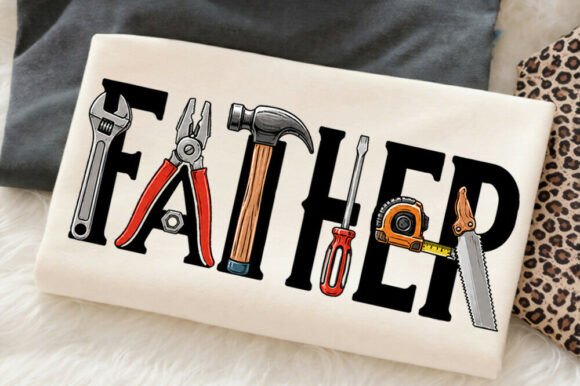
Engineer Father Tee, Father Day T-shirt Review
When I first opened the Engineer Father Tee, Father Day T-shirt file, my immediate reaction wasn't about the technical specs but the vibe it projected. As a designer who spends hours agonizing over stitch density and thread choices, the first thing I look for is a design that feels ready to live in the real world. This piece hits that mark immediately. It carries a quiet pride that speaks directly to the engineering profession while maintaining a warmth suitable for a Father's Day gift. It isn't just a graphic; it is a statement of identity that translates surprisingly well into physical form.
The visual personality of this design suggests it belongs on something durable yet personal. I imagine it stitched onto a heavy cotton tee or perhaps a canvas tote bag for a dad who carries his tools everywhere. The layout is clean, avoiding the clutter that often plagues hobbyist designs. It has a professional edge that makes it feel appropriate for small business merchandise or boutique branding, not just a quick craft fair project. When you hold the concept up against the reality of an embroidery machine, the potential for a high-quality finished product becomes clear.
From Screen to Stitch: Real-World Application
Let me walk you through a scenario where I decided to test this design. I was preparing a custom order for a client who runs a small engineering firm and wanted personalized gifts for their team's families. We needed something that honored their profession without looking like a generic clip-art job. The Engineer Father Tee, Father Day T-shirt seemed perfect for a sweatshirt embroidery project intended for a family reunion.
I loaded the file and ran a test on a scrap piece of mid-weight fleece. The lines held up beautifully under the needle. Unlike some complex graphics that break down when scaled down, this design maintained its integrity even with a smaller hoop size. The balance between the text and any graphical elements (assuming the standard layout) creates a focal point that draws the eye without overwhelming the fabric texture. For a handmade product like a baby onesie, this same design would offer a charming contrast between the soft fabric and the structured typography of an engineer's tribute.
In a commercial setting, this design elevates the perceived value of the item. Customers browsing Etsy listings are drawn to items that look professionally executed. A crisp, well-placed design signals quality. If you are an Etsy seller looking to expand your catalog with holiday embroidery options, adding this to your inventory could be a smart move. It fits perfectly into the narrative of "personalized gifts" that buyers search for during the spring season.
Navigating Fabric and Texture Challenges
However, no design is without its challenges, and understanding where to use caution is what separates a good maker from a great one. While the Engineer Father Tee, Father Day T-shirt works wonders on stable fabrics like denim or twill, I would advise careful consideration before applying it to highly textured or stretchy materials. On a thin, loosely woven fabric, the tension required for a satin stitch might cause puckering if the stabilizer isn't chosen correctly.
If you are planning to embroider this on a cap or hat, the curved surface adds a layer of complexity. You will need to ensure the hoop size accommodates the curve without distorting the lettering. Small details in the corners of letters can sometimes get lost on dark fabric if the thread color contrast isn't sharp enough. Before committing to a bulk run for a craft business, I strongly recommend testing the design in black and white mockups to verify legibility across different background colors.
For products that require frequent washing, such as aprons or kitchen towels, check the stitch density. Dense fill stitches can sometimes trap lint or moisture if not properly secured. Using a proper stabilizer is non-negotiable here. Whether you choose cut-away for permanent garments or tear-away for temporary projects, the foundation must support the weight of the thread to prevent the design from warping after the first wash.
Visual Appeal and Brand Consistency
One of the strongest aspects of this design is its ability to foster brand consistency. For creative entrepreneurs selling digital product previews or printable mockups, having a cohesive look is essential. This design offers a modern, clean aesthetic that aligns well with contemporary trends in apparel decoration. It doesn't rely on dated fonts or overly ornate flourishes, which helps it age gracefully in a portfolio.
When customers receive a finished product featuring this design, the professionalism shines through. It builds trust because the execution looks deliberate and polished. In the competitive world of handmade goods, that distinction matters. A buyer is more likely to return to a shop that consistently delivers high-quality embroidered patches, tote bag designs, or nursery decor pieces. The Engineer Father Tee, Father Day T-shirt serves as a reliable asset that supports that reputation.
Practical Notes for the Embroidery Designer
Before you hit the start button on your machine, there are a few critical steps to ensure success. First, always test the design on scrap fabric. This simple step saves time and material by revealing potential issues with thread tension or registration. Second, review the stitch density. If the design feels too heavy for the garment type, consider adjusting the settings or choosing a lighter thread weight.
Confirm the hoop size requirements. Some designs are optimized for larger hoops and may need resizing for smaller projects like baby embroidery or tiny caps. Check whether the design works for both personal and commercial projects by reviewing the licensing terms provided with the download. Many designers overlook this, leading to legal headaches later. Ensure you have the right permissions before selling finished items or using the design in your own marketing materials.
Also, inspect small details closely. Sometimes, fine lines can merge during the digitizing process, especially if the file is resized significantly. Use a running stitch for outlines if available, as they tend to lay flatter than dense fills on certain textures. Compare light and dark fabric backgrounds to ensure the thread colors pop. If the original file is a PNG, remember that it is a raster image, so you may need to convert it to vector or digitize it specifically for your machine to achieve the best results.
Final Thoughts on Design Assets
Ultimately, the Engineer Father Tee, Father Day T-shirt is a solid addition to any library of design assets. It bridges the gap between a sentimental gift idea and a commercially viable product. Whether you are creating holiday embroidery collections, custom apparel for local teams, or digital embroidery files for other makers, this piece offers versatility and charm.
It reminds us that the best embroidery projects are those that tell a story. This design tells the story of a father who builds things, solves problems, and cares deeply for his family. That emotional connection is what drives sales and builds community among crafters and small shop owners. By paying attention to the nuances of fabric, stabilizer, and thread choice, you can turn this digital graphic into a cherished keepsake that stands the test of time.
So, if you are looking for a reliable machine embroidery design that balances professionalism with heartfelt sentiment, give this one a try. Just remember to test thoroughly, plan your stabilizer strategy, and let the quality of your work speak for itself. Happy stitching!