Sleeping Orange Tabby Cat on Book Embroidery Review
As a designer who spends more time than I care to admit staring at stitch charts and testing thread tensions, I approach every new machine embroidery design with a mix of excitement and skepticism. The market is flooded with generic graphics, but finding a piece that balances aesthetic charm with technical viability for real-world production is rare. That is why I decided to put the Sleeping Orange Tabby Cat on Book file through its paces. This isn’t just about how cute it looks in a preview window; it is about whether it holds up when transferred to fabric, stitched by a machine, and ultimately worn or gifted by a customer.
The First Impression: Mood and Visual Personality
The immediate appeal of this Graphics asset lies in its cozy narrative. We have all seen that specific breed of cat owner who treats their pets as living paperweights. This design captures that universal truth perfectly. The visual personality is warm, inviting, and distinctly domestic. It does not scream for attention with aggressive colors or complex shapes; instead, it whispers comfort.
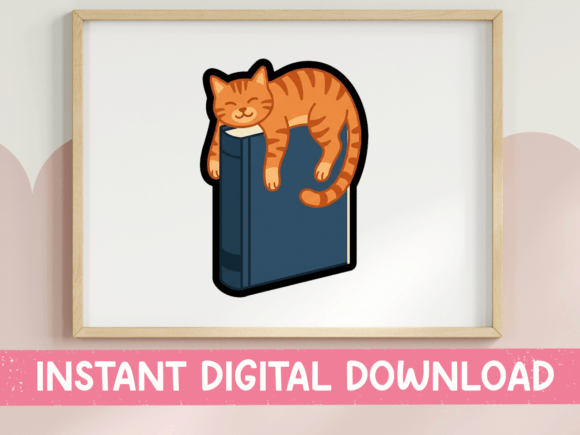
From a design perspective, the composition is clean. A fluffy orange tabby, curled tightly, resting on a deep navy book creates a strong focal point. The contrast between the warm orange tones and the cool navy background is naturally pleasing to the eye. For an Etsy seller or small business owner, this kind of emotional resonance is gold. It tells a story before the buyer even reads the product description. It feels less like a mass-produced sticker and more like a personalized observation of pet life, which significantly boosts its potential as a personalized gift.
Real-World Application: Where This Design Shines
I tested the concept of this design across several common embroidery project categories to see where it fits best. The versatility here is notable, provided you understand the constraints of the medium.
- Custom Apparel and Sweatshirts: This is perhaps the strongest use case. Imagine this design centered on the chest of a heather gray or cream-colored sweatshirt. The softness implied by the "fluffy" cat translates well to the texture of fleece or cotton blends. It appeals directly to the "book lover" demographic, making it a perfect cross-niche item for both bibliophiles and animal lovers.
- Tote Bag Designs: Canvas tote bags are a staple for any craft business. Placing this graphic on a sturdy canvas bag adds a touch of whimsy to everyday utility. The navy blue of the book provides enough visual weight to stand out against natural or white canvas without looking overwhelming.
- Baby Embroidery and Nursery Decor: While cats can sometimes be polarizing due to allergies, the image of a sleeping kitten is universally soothing. On baby onesies, burp cloths, or small nursery pillow covers, this design offers a gentle, non-gendered aesthetic that parents appreciate. It works exceptionally well as a holiday embroidery gift for expecting families.
- Kitchen Towels and Aprons: There is a certain charm in seeing a sleepy cat on a kitchen towel. It suggests a lazy Sunday morning, coffee in hand, reading a good book. As a handmade product sold at craft fairs or online shops, this item has high perceived value because it taps into lifestyle aspirations, not just utility.
Technical Performance and Stitch Clarity
When evaluating an embroidery file, we must look beyond the artwork and consider the mechanics. How does the stitch density hold up? Does the satin stitch around the edges fray or gap?
In the case of the Sleeping Orange Tabby Cat on Book, the detail level appears manageable for standard home machines. The key challenge will be rendering the "fluffiness" of the cat. If the design relies too heavily on fine running stitch details, it may get lost on thicker fabrics like denim or heavy Terry cloth. However, if the design utilizes effective fill stitch patterns to simulate fur texture, it will pop beautifully.
The navy book serves as an excellent anchor. In embroidery, large blocks of solid color (or dense fill stitches) provide stability to a design. This means the overall structure of the finished product should remain flat and durable, resisting the puckering that often plagues lighter, airier designs. For commercial embroidery work, this structural integrity is crucial for maintaining brand consistency and professional presentation.
Where to Exercise Caution
No design is flawless, and knowing where to draw the line is what separates a pro from a hobbyist. There are specific scenarios where this design might struggle:
- Small Hoop Sizes: If you attempt to digitize or stitch this on a very small hoop (under 4x4 inches), you risk losing the subtle details of the cat’s stripes and the book’s spine. The face of the cat might become indistinct, turning a charming portrait into a blurry blob.
- Textured and Stretchy Fabrics: Avoid placing this on highly textured bouclé fabrics or thin, stretchy jersey knits without proper stabilization. The curves of the cat’s body may distort on stretchy materials, leading to a warped appearance. Always use the correct stabilizer—cut-away for knits, tear-away for wovens—to ensure clarity.
- Dense Stitch Areas: Be mindful of the thread colors. If the orange and navy are too similar in tone under certain lighting conditions, the contrast may vanish. Test your thread colors carefully. Also, avoid placing this design on curved surfaces like baseball caps unless you are using a specialized cap frame, as the flat layout of the graphic may not follow the curve of the hat naturally.
- Frequent Washing: For items like aprons or kitchen towels that undergo rigorous washing cycles, ensure the design is anchored well. Loose ends or overly dense stitching can trap moisture and lint over time.
Practical Designer Notes for Production
Before committing to a full run of custom apparel or listing this as a digital download, I recommend the following workflow:
- Test on Scrap Fabric: Never trust a screen mockup implicitly. Stitch the design on the actual fabric you plan to sell. Check how the thread colors interact with the material’s weave.
- Black and White Mockups: Convert the design to grayscale to check contrast levels. If the orange and navy blend together in black and white, they will likely lack definition in color as well.
- Hoop Size Confirmation: Verify the exact hoop size required by the file. Ensure it fits comfortably within your machine’s capabilities and allows for adequate margin on your chosen garment.
- Licensing Check: If you intend to sell finished items or use this in design assets for clients, double-check the licensing terms. Some files are for personal use only. Clarifying this protects your craft business from legal issues.
Final Verdict
The Sleeping Orange Tabby Cat on Book is a standout piece for designers looking to tap into the lucrative pet and lifestyle markets. It offers a perfect balance of cuteness and professionalism, making it suitable for everything from personalized gifts to boutique retail inventory. Its strong visual contrast and relatable theme give it a high chance of resonating with customers, driving engagement, and building trust in your handmade brand.
However, success depends on execution. By paying attention to fabric choice, stabilizer usage, and stitch quality, you can transform this digital graphic into a tangible, cherished object. For the right maker, this design is not just a picture of a cat; it is a gateway to creating memorable, high-quality products that speak directly to the hearts of cat lovers everywhere.