Vintage Air Mail Letter Postage Print
There is a specific kind of nostalgia that comes with the sight of an old letter. It isn’t just about the paper; it’s about the intention behind the writing, the wax seal, and the slow, deliberate journey from sender to receiver. When I first looked at the Vintage Air Mail Letter Postage Print, I didn’t just see a graphic file. I saw a story waiting to be stitched into fabric. As someone who has spent years evaluating designs for both personal hobby projects and commercial small business lines, I know that not every digital asset translates well into thread. Some look great on a screen but fall apart under the needle. This design, however, feels like it was born for the hoop.
The First Impression: Mood and Visual Personality
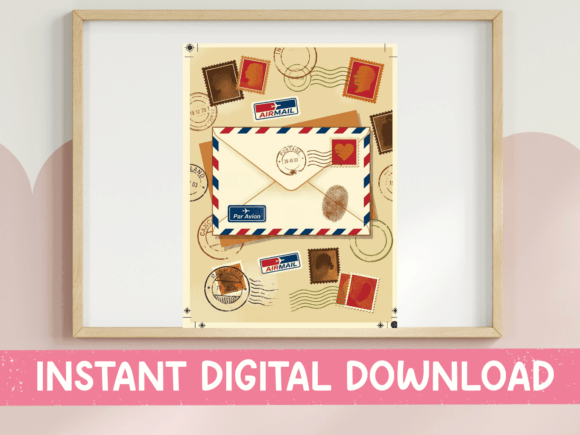
The moment you load this machine embroidery design into your software, the mood is set. It leans heavily into the romance of sending mail the slow way. The core elements—a cream envelope, a distinct wax seal, and that iconic red and blue air mail border—are instantly recognizable. For an Etsy seller or a maker running a craft business, recognition is half the battle. Customers don’t always need to read the text to understand the vibe; they feel it.
What stands out immediately is the layout. It isn’t cluttered. It respects negative space, which is crucial when you are translating pixels into stitches. The theme suggests warmth, connection, and history. It feels perfect for a personalized gift for a long-distance friend, a keepsake for a wedding couple exchanging letters, or a decorative piece for a home office. The visual personality is polished yet approachable, striking a balance between professional design assets and cozy handmade charm.
Real-World Application: Where This Design Shines
I recently evaluated how this embroidery project would perform across a variety of mediums, simulating real production scenarios. Here is where the Vintage Air Mail Letter Postage Print truly excels:
- Tote Bag Design: This is perhaps the most natural fit. A canvas tote bag provides a sturdy, flat surface that allows the details of the envelope and the texture of the "paper" effect to shine. It appeals to readers, writers, and anyone who appreciates analog aesthetics in a digital world.
- Sweatshirt Embroidery: Think of a cream or light grey heather sweatshirt. The vintage postal theme pairs beautifully with soft, comfortable fabrics. It creates a boutique-level custom apparel item that feels curated rather than mass-produced.
- Kitchen Towels and Tea Towels: There is a rustic elegance here that works surprisingly well in the kitchen. On a linen or cotton tea towel, the air mail border adds a pop of color without overwhelming the space. It makes for a fantastic housewarming gift.
- Baby Embroidery: While the theme is mature, the aesthetic is timeless. Placing this on a baby blanket or a muslin swaddle creates a sentimental heirloom quality. Parents love items that feel classic and enduring.
- Embroidered Patch: If used as a standalone motif, this design can easily become a high-quality patch for denim jackets or backpacks. The strong borders help define the shape, making it easy to cut out and apply.
For the digital product seller, this design also offers versatility. It can be mocked up on various backgrounds to create printable mockups that showcase its adaptability. Whether you are selling the embroidery file itself or finished goods, the visual appeal remains consistent.
Technical Considerations and Stitch Performance
As a designer, my job doesn’t end at the visual check. I have to think about the mechanics of stitching. How does the Vintage Air Mail Letter Postage Print handle different stitch types?
The air mail border likely relies on clean satin stitch work for the edges, which gives it a crisp, defined look. The body of the envelope may use a combination of fill stitch for shading and running stitch for fine details like stamp perforations or address lines. The wax seal area might benefit from a dense fill to simulate the raised texture of real wax.
However, density matters. If the stitch density is too high, the fabric can pucker, especially on lighter materials. If it is too low, the underlying fabric might show through, ruining the illusion of the cream envelope. Before committing to a large run, it is essential to inspect the thread colors. The contrast between the red/blue border and the cream background needs to be sharp enough to remain legible after stitching.
Where to Use It Carefully
Not every surface is created equal. While this design is versatile, there are places where you should exercise caution:
- Small Hoop Sizes: If the design includes tiny text or intricate stamp details, shrinking it down to a 4x4 inch hoop might cause those details to merge into a blob. Always check the minimum recommended hoop size.
- Textured Fabrics: Bouclé wool or heavy terry cloth can hide the finer details of the envelope. Stick to smoother weaves like cotton, linen, or jersey for the best clarity.
- Stretchy Fabrics: Thin knits or spandex blends require a stabilizer that matches their stretch. Without proper support, the embroidery design can distort, warping the straight lines of the air mail border.
- Dense Stitch Areas: Avoid placing this on garments that will undergo frequent, harsh washing if the design has large solid blocks of color. Over time, even good thread can break down. Test durability before selling as a small shop product.
Impact on Product Value and Brand Consistency
In the world of handmade commerce, perception is everything. Using a design like Vintage Air Mail Letter Postage Print elevates the perceived value of a finished product. It signals attention to detail and an understanding of aesthetic trends. When a customer sees a beautifully stitched envelope with a realistic wax seal, they trust the quality of the craftsmanship.
For commercial embroidery clients, this design offers a unique selling proposition. It isn’t just another floral pattern; it tells a story. This narrative quality drives engagement. People buy into the idea of "slow mail" and intentional communication. By offering this as part of a collection—perhaps paired with matching monogram templates—you build a cohesive brand identity.
Final Designer Notes: Testing and Licensing
Before you add this to your inventory or start stitching your own gifts, follow these practical steps:
- Test on Scrap Fabric: Never skip this step. Stitch the design on the exact fabric type you plan to sell. Check for puckering, thread breaks, and color accuracy.
- Check Black and White Mockups: Convert the design to grayscale to ensure the contrast levels hold up. Sometimes colors that look distinct on screen blend together in thread.
- Confirm Licensing: This is critical. Ensure you have the correct license for commercial embroidery if you intend to sell finished items. Personal use licenses do not cover resale.
- Use Proper Stabilizer: Depending on the fabric, you may need tear-away, cut-away, or water-soluble stabilizer. The right support ensures the embroidery file performs as intended.
The Vintage Air Mail Letter Postage Print is more than just a Graphics asset; it is a tool for creating emotional connections through fiber. It works beautifully for holiday embroidery, wedding favors, or everyday wear. By respecting the technical requirements and leveraging its nostalgic charm, you can create handmade products that stand out in a crowded market. It is a reliable, stylish, and emotionally resonant choice for any serious embroiderer.